Historic Sites
Wessyngton Plantation Site
The land of one of the antebellum South's largest tobacco plantations — private, but historically extraordinary.
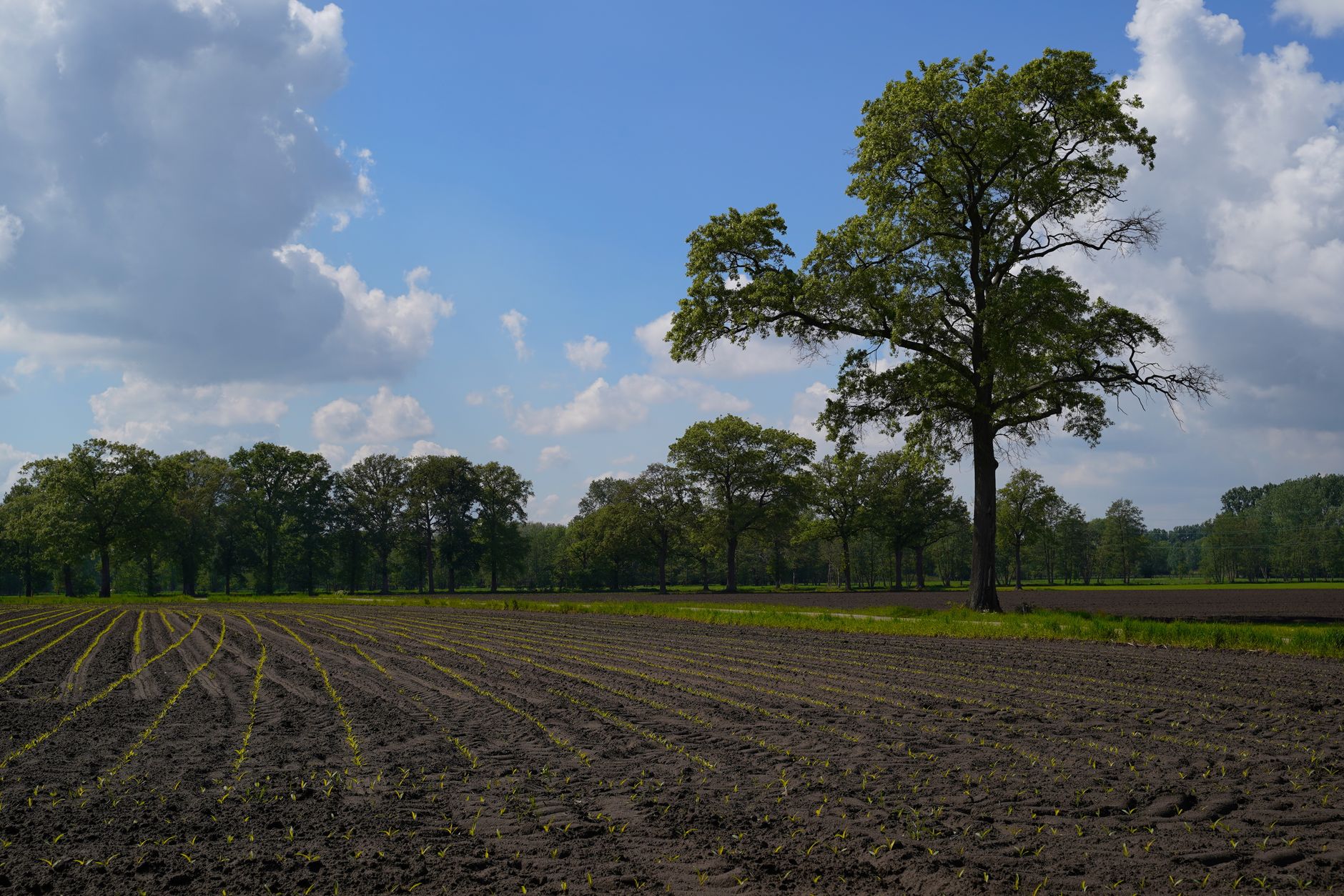
The land of one of the antebellum South's largest tobacco plantations — private, but historically extraordinary.
Wessyngton is not a museum — it is a place. Founded in 1796 by Joseph Washington, it grew into one of the largest tobacco plantations in the antebellum United States, with more than 13,000 acres and, by 1860, 274 enslaved people. The main house, built in 1819 and expanded in the 1850s, still stands on the property near Cedar Hill and remains privately owned and closed to the public. But the road past it, the pastures, the old cedar-lined lanes and the family cemetery visible from the fence give a sense of scale that photographs cannot.
The honest way to visit is to drive slowly along Wessyngton Road with John Baker's book The Washingtons of Wessyngton Plantation on the seat beside you — it is the most thoroughly documented African-American family history of any Southern plantation, drawn from records the Washington family kept meticulously. There is a small state historical marker on the road, a pullout wide enough for two cars, and views of the mansion roofline through the trees. Please respect the private property line; the current owners have been generous by not fencing the sightline entirely.
Do this on the way to or from Cedar Hill or Adams — it takes 30 minutes and reshapes everything else you see in Robertson County. Better paired with the Robertson County Museum first, where the Wessyngton records are on display and volunteers can point you to the exact pullout. Not a stop for young children with no context; a genuinely important stop for anyone reading Southern history.
What you actually do here, minute by minute, is smaller than the history behind it, and knowing that in advance is the difference between a good stop and a disappointed one. You park on gravel. You read a marker that takes ninety seconds. You walk perhaps sixty feet along the verge to change your angle on the cedars, then you stand and look at a working farm: rolled hay, cattle, row crops where tobacco once went in by the hundreds of thousands of pounds. Joseph Washington came from the same Virginia Washington line as the first president, and his descendants held this ground until the 1980s — one family, one deed, nearly two centuries. Read the marker, then read two pages aloud from Baker's book at the fence line. That single act is what turns a field into the thing you drove out for.
There is no bus, no train and no shuttle: Robertson County runs no fixed-route transit, and this stop exists only for people with a car. From the courthouse square in Springfield, head northwest on Highway 41 and turn onto Wessyngton Road — roughly 15 to 20 minutes of two-lane blacktop with almost no shoulder. The marker stands on the west side of the road about 2.5 miles south of Cedar Hill, and the gravel pullout opposite it holds two cars nose to tail. Drop a pin before you leave town: the marker is small, dark and easy to blow past at 50 mph, and turning around means borrowing a farm gateway. Cell signal flickers out here, so download the map for offline use rather than trusting live navigation, and ignore any route that tries to send you up an unpaved farm lane. Nashville International Airport is about 55 minutes away.
Nothing about this stop costs money, which is worth stating plainly: no gate, no ticket booth, no parking charge, no guide to tip. The real budget is fuel — a round trip from Springfield runs about 25 miles, under $5 in most cars — plus the one purchase that makes the visit work. John Baker's The Washingtons of Wessyngton Plantation costs around $18 to $20 in paperback and is free to borrow from the Robertson County Public Library in Springfield; the Robertson County Museum, volunteer-run with short hours, asks little more than a few dollars in the donation box. There are no restrooms, no water and nothing to buy within ten minutes of the pullout, so spend $3 on a drink in Springfield first. If you are sleeping locally, rooms run roughly $90 to $160 a night, with Springfield Inn TN at the cheap end. Total outing: under $10.
Season decides how much of the house you actually see. Come between December and March, when the hardwoods are bare and the roofline, the chimneys and the far cemetery ridge read clearly through the trees; from late June into September the foliage closes the sightline almost completely and you are looking at green walls. Mid-morning to mid-afternoon is the sensible window — low winter sun straight down the road blinds you, and the lane is unlit after dark with deer moving at dusk. There is never a queue and never a closed day, so weekends are as easy as weekdays; Sunday morning is quietest of all. Avoid the harvest weeks of late summer and autumn, when combines and grain trucks need the full width of the road, and skip the days after heavy rain, when the grass beside the gravel turns to rut-deep mud.
This suits readers first: anyone working through Southern history, genealogists chasing Robertson County names, descendants who come because Baker's research put their great-grandparents back into the record — he found his own ancestors, Emanuel and Henny Washington, in a photograph printed in a school textbook. It is unexpectedly workable for wheelchair users and anyone with limited mobility, because the entire visit can be done from a parked car through the windshield, though there is no paved surface and no dropped kerb anywhere on the road. It is also a fine rainy-afternoon stop for the same reason. Skip it with children under about ten, who will find a field and a metal sign and nothing else, and skip it if you have only an hour spare before driving back toward Nashville — the drive out and back eats that hour before you have read a word.
Fold it into a half-day rather than treating it as a destination in itself. Port Royal State Historic Park sits about 20 minutes west, free, with the Red River, short riverside paths and Trail of Tears interpretation — the best pairing, and the one that gives children something to do. Adams is a short drive east: the old Bell School building houses the local museum, the Bell Witch Cave runs private seasonal tours for a fee, and the Bell Witch Fall Festival takes over the village in August. Back in Springfield, the courthouse square and the Robertson County Museum are 15 to 20 minutes from the pullout, and the museum is the one indoor place in the county where Wessyngton documents are on display. Order it museum first, Wessyngton second, Port Royal last, and the day builds instead of trailing off.
The caveats matter here more than at most sites. People arrive expecting Belle Meade or Carnton — a docent, a hall, a gift shop — and there is none of that, nor any prospect of it while the house stays in private hands. The distant cemetery ridge is a genuinely distant view; without bare branches and binoculars you may see nothing. Nothing on the roadside interprets the 274 enslaved people whose labour built this fortune, and the hundreds Baker traced by name; that history lives in his book, not on the marker, which is why arriving unread makes the stop feel empty. Do not knock at the house, do not drive up the private lane, and do not fly a drone over an occupied home. And be clear on one point online sources muddle: this was never a George Washington property, only a relative's.
Always free from the roadside · House not open to the public
Roadside viewing dawn to dusk
State historical marker — West side of Wessyngton Road, roughly 2.5 miles south of Cedar Hill
Cedar-lined main drive — Visible from the roadside pullout opposite the marker
Washington family cemetery ridge — Distant view east of the main road, half a mile north of the marker
Read John Baker's book or visit the Robertson County Museum first — otherwise it is just a field.
Stay on the road; the property is private and actively farmed.
Pair with Port Royal State Historic Park, 20 minutes west, for a full history morning.
No — Wessyngton is privately owned and not open to the public. Roadside viewing only. The 1819 mansion, expanded in the 1850s, is a private residence on a working farm; there is no tour, no open day and no way to arrange access, and the lane to the house is private. What you get from the pullout is the roofline through the cedars, the pastures and the ridge line. In winter, with the leaves down, that view is genuinely good; in high summer it is largely screened. Do not knock, drive in or fly a drone.
Nothing — there are no fees, but also no facilities. No gate, no ticket, no parking charge, no donation box. Your only outlay is fuel, about 25 miles round trip from Springfield and under $5 in most cars, plus roughly $18 to $20 if you buy John Baker's The Washingtons of Wessyngton Plantation, which is also free to borrow from the Robertson County Public Library. Bring water and use a restroom before you leave town; there is nothing to buy within ten minutes of the marker.
30 to 45 minutes on the roadside, longer if you drive the surrounding lanes. The marker itself takes ninety seconds to read and the walkable verge is about sixty feet, so most of your time goes on standing, looking and reading. Allow 15 to 20 minutes of driving each way from Springfield on top of that. Build it into a half-day of about four hours with the Robertson County Museum first and Port Royal State Historic Park, 20 minutes west, afterwards — that ordering gives the stop the context it needs.
Any daylight hour, any day of the year. Avoid after dark; the road is unlit. There is no closed day, no holiday shutdown and never a queue, so weekday and weekend visits are identical. Mid-morning to mid-afternoon is best: low winter sun down the road is blinding, and deer move on the verges at dusk. Season matters more than hour — December to March gives the clearest sightline to the house and cemetery ridge, while late June to September closes it with foliage. Skip harvest weeks when farm machinery needs the road.
No — but please don't approach the house or knock. The owners do not offer tours. Nothing here is bookable and nothing sells out; the only advance planning worth doing is calling the Robertson County Museum, which is volunteer-run with short and changeable hours, and picking up Baker's book a few days ahead so you arrive having read some of it. Save the marker location as a pin too, because cell coverage on Wessyngton Road is patchy and the sign is easy to miss at speed.
By car only, roughly 15 minutes northwest of Springfield via Highway 41 and Wessyngton Road. There is no bus stop, no rail station and no fixed-route transit in Robertson County, and ride-hailing this far out is unreliable for the return trip. The gravel pullout opposite the marker, about 2.5 miles south of Cedar Hill, takes two cars; the road is two-lane with almost no shoulder, so do not stop in the travel lane. Nearest fuel and restrooms are back in Springfield, about 25 miles round trip.
Every booking through Springfield Destinations funds one verified tonne of carbon removal — same room, same price, no markup.
Find a stay