Home/Stays/Texas/Bolivar Peninsula
Stays in Bolivar Peninsula
Bolivar Peninsula is a narrow strip of land on the Texas Gulf Coast, separated from Galveston Island by the Houston Ship Channel and bordered by the Gulf of Mexico to the south and Galveston Bay to the north. The peninsula is part of Galveston County and includes communities such as Crystal Beach,…
Every stay in Bolivar Peninsula
Recent rates first, then the best-reviewed rooms.


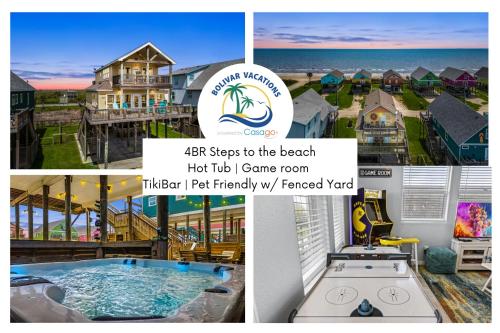


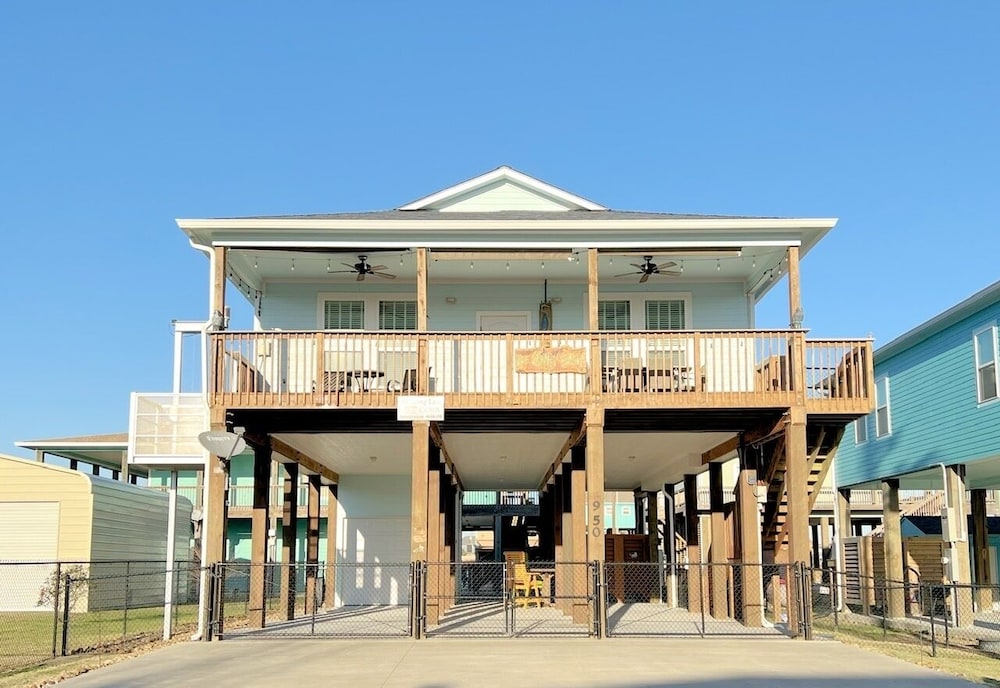


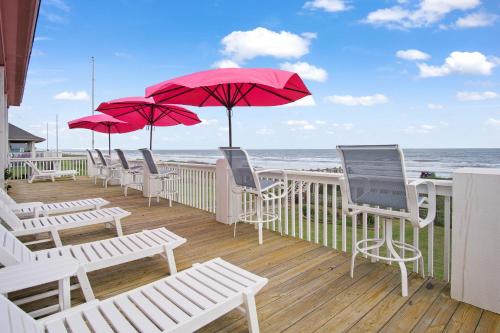
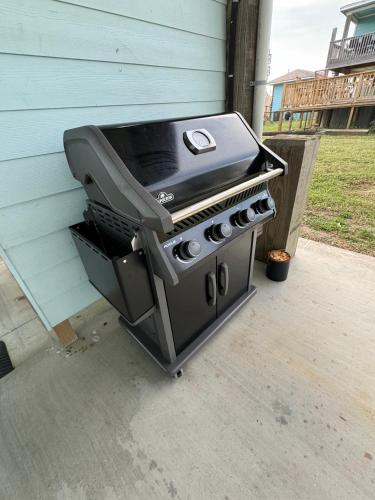














Search live rates in Bolivar Peninsula
Pick your dates — every Bolivar Peninsula room with a live price, in one list.
Free cancellation on most rooms · 1 t CO₂ removed per booking, at no extra cost.
About Bolivar Peninsula
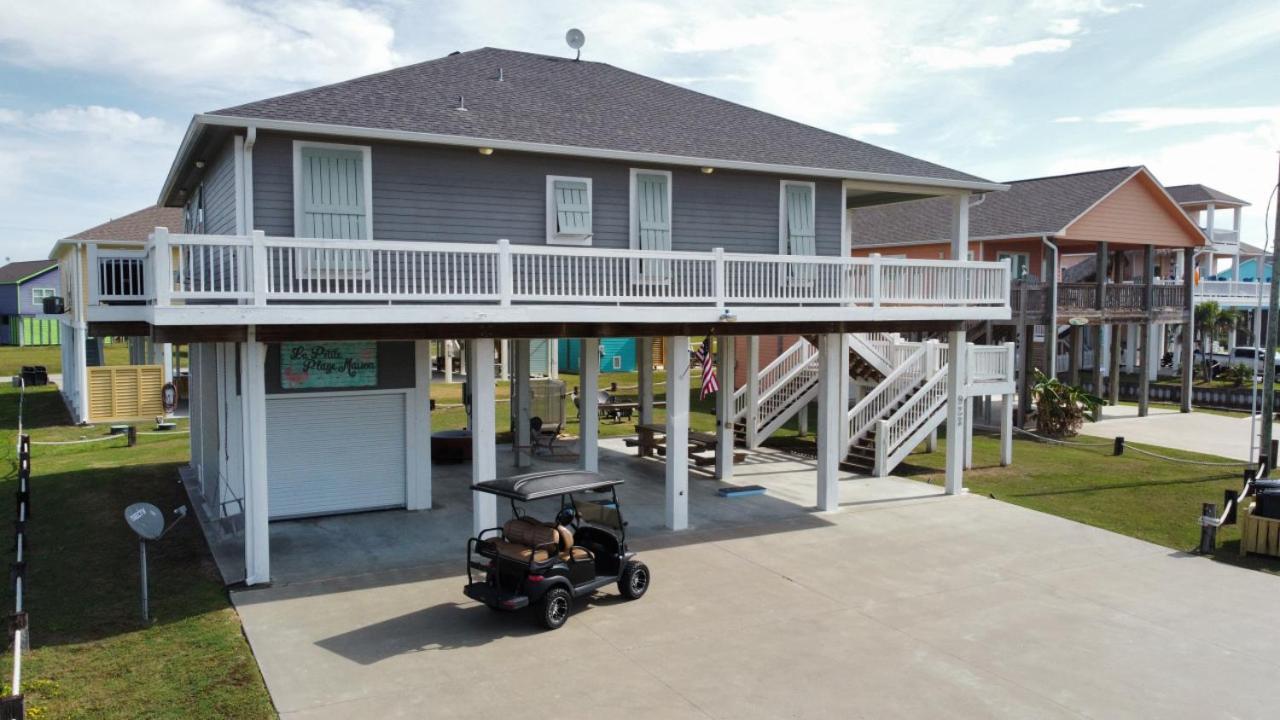
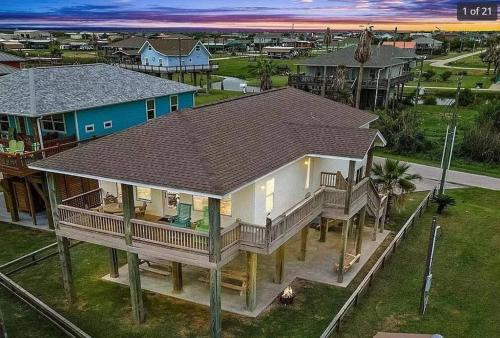
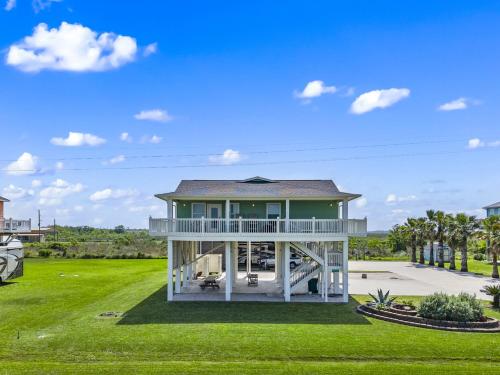
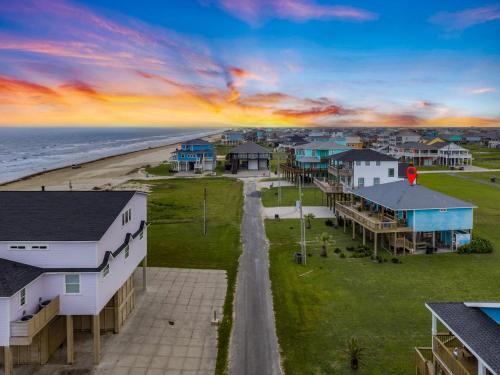
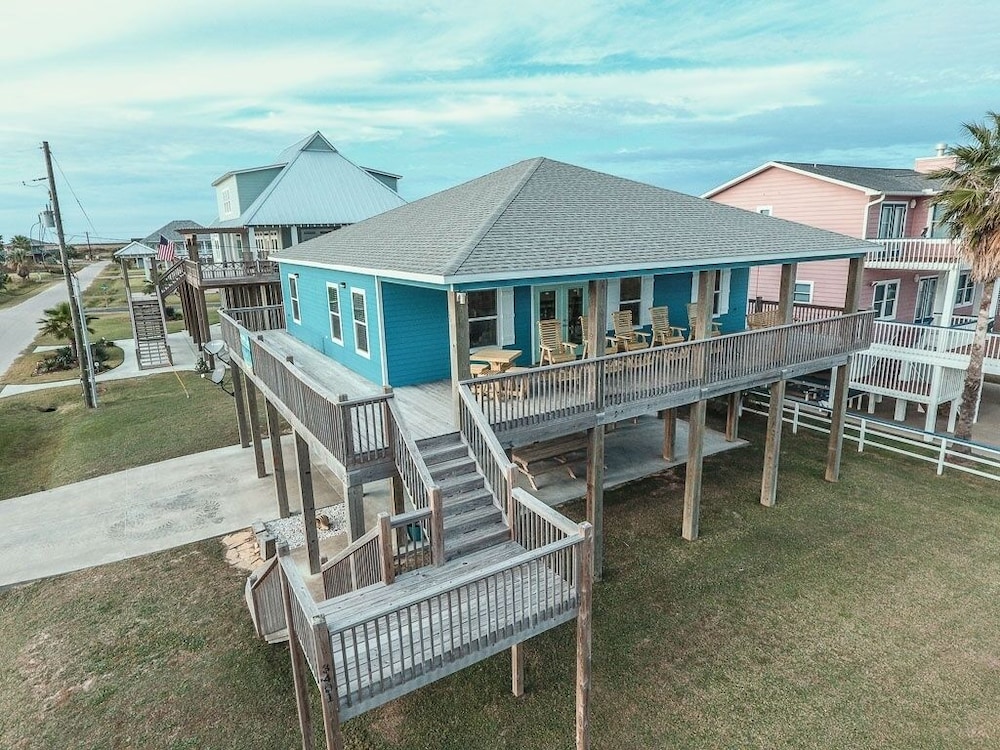
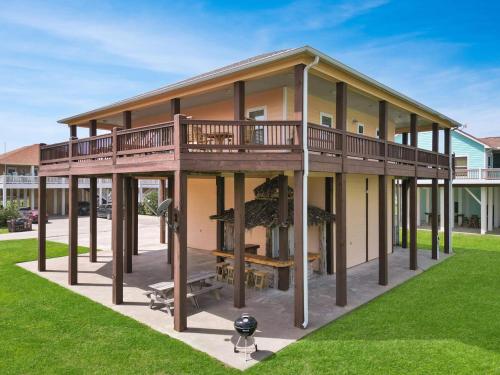
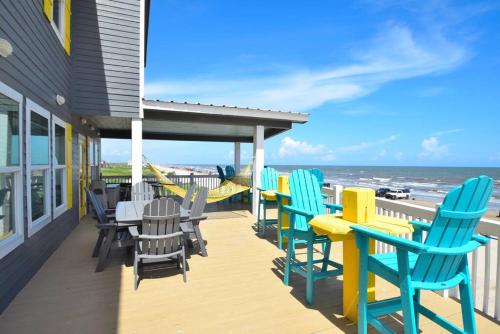
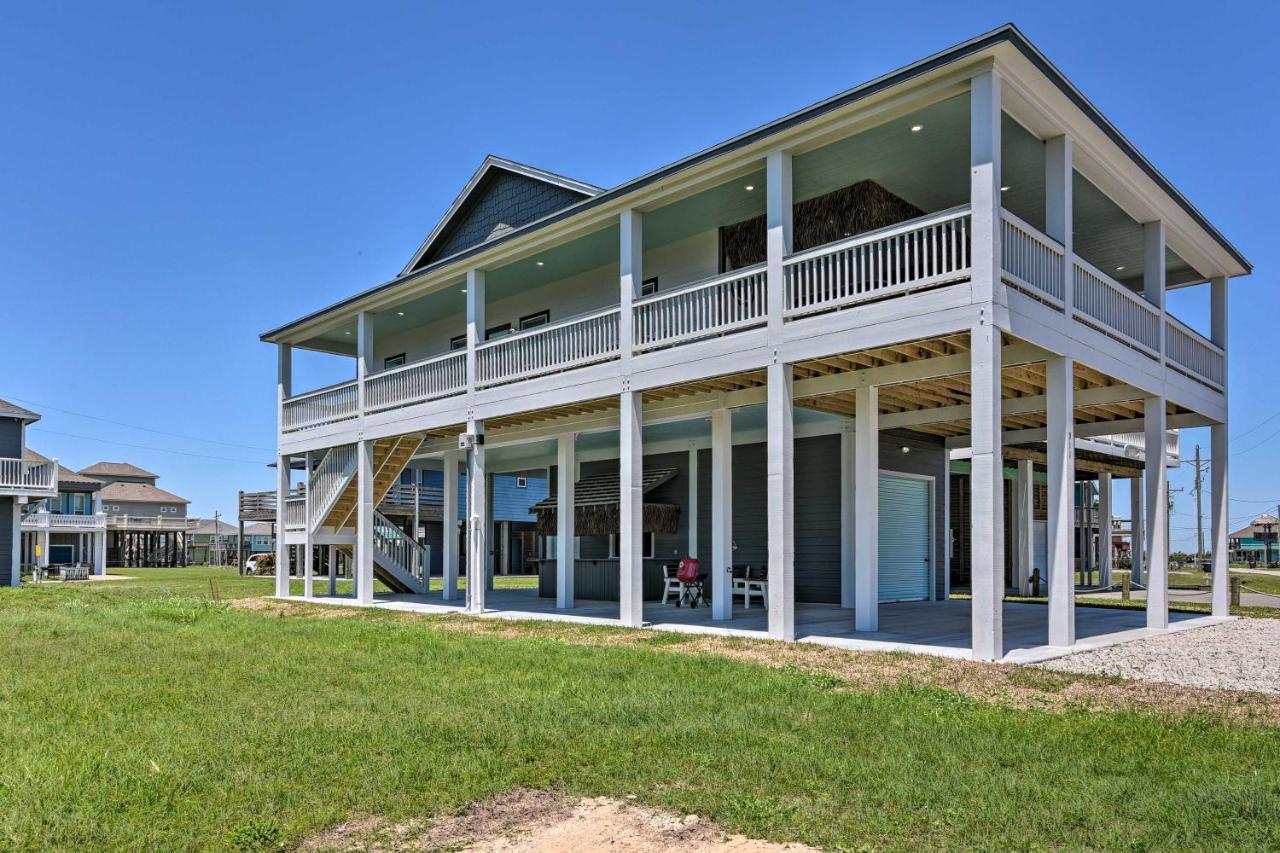
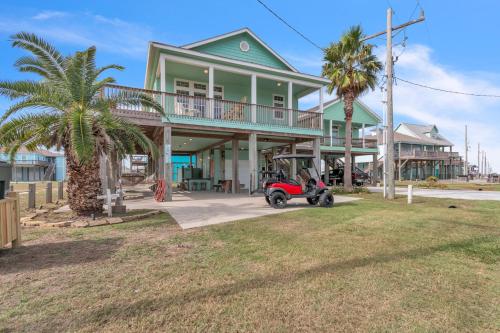
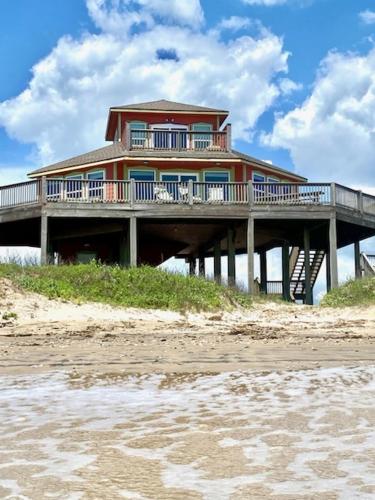
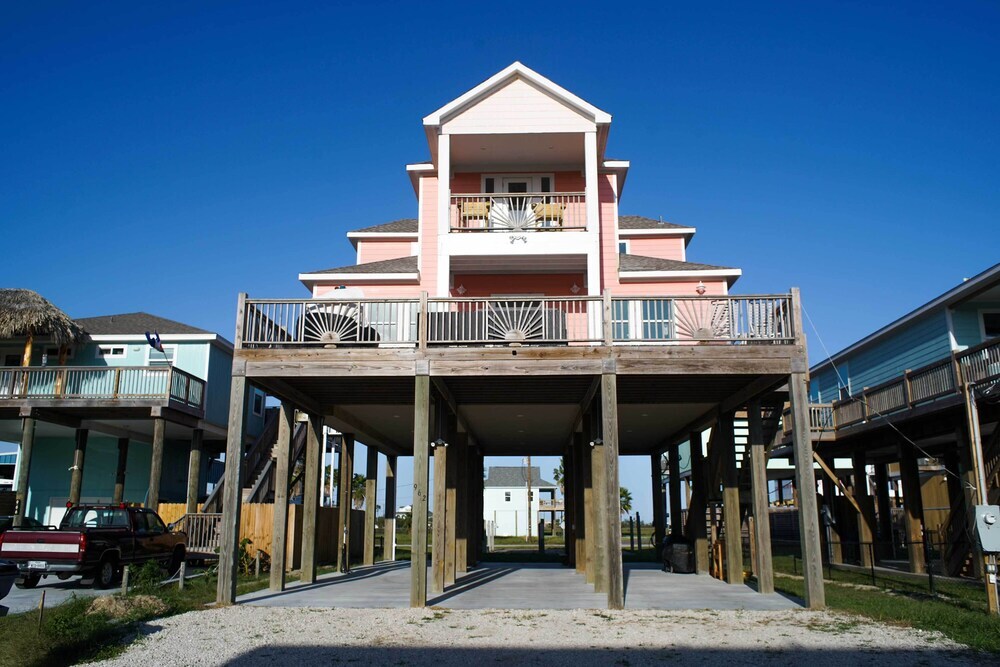
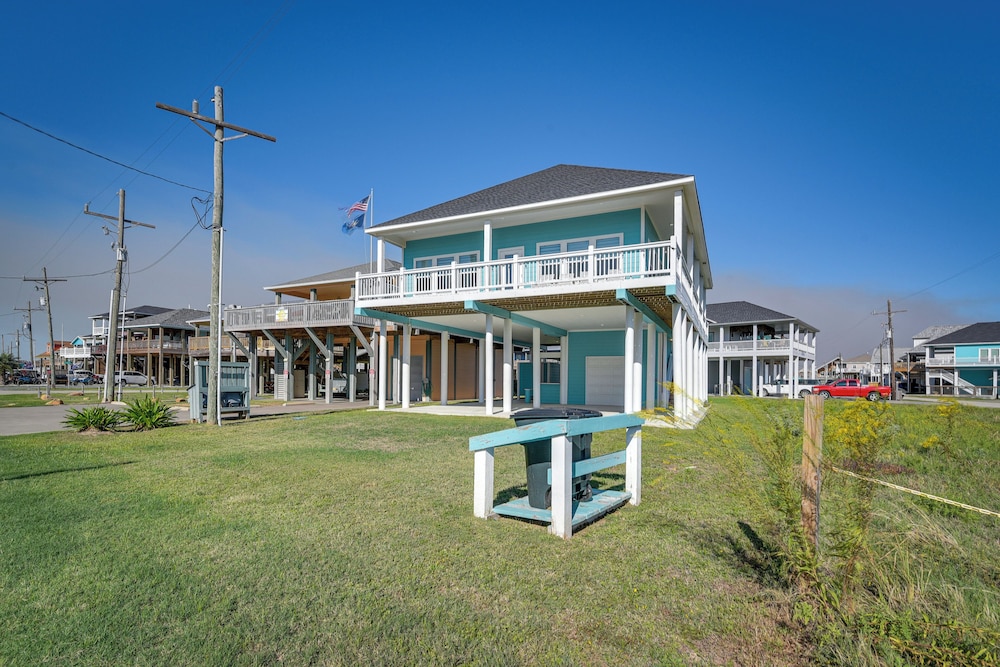
Unlike more developed beach destinations, Bolivar Peninsula retains a quieter, more residential character. Many visitors come for beachcombing, birdwatching, and surf fishing. The peninsula is also a popular spot for observing migratory birds, as it lies along the Central Flyway. Accommodations are primarily vacation rentals, including beachfront homes and cottages. The pace is slow, with local restaurants serving seafood and casual fare. Whether you're looking for a family beach getaway or a peaceful retreat, Bolivar Peninsula offers a straightforward coastal experience.
Where to stay in Bolivar Peninsula
Crystal Beach. The main community on the peninsula, with the highest concentration of vacation rentals and direct beach access.
Port Bolivar. Located at the tip of the peninsula near the ferry landing, offering a mix of residential streets and proximity to the Galveston-Port Bolivar Ferry.
Gilchrist. A smaller, quieter area further east along the peninsula, popular for fishing and birdwatching.
Getting there and around
To reach Bolivar Peninsula, you can drive from Houston via Interstate 10 East to State Highway 146, then take the Fred Hartman Bridge to State Highway 87, which leads onto the peninsula. Alternatively, you can take the Galveston-Port Bolivar Ferry from Galveston, which operates free of charge and carries vehicles across the Houston Ship Channel. The ferry ride takes about 20 minutes. Once on the peninsula, a car is essential for getting around, as public transportation is limited. State Highway 87 runs the length of the peninsula, connecting Port Bolivar, Crystal Beach, and Gilchrist. Biking is also possible on quieter roads.
When to go
The best time to visit Bolivar Peninsula is during the spring and fall, when temperatures are mild and crowds are smaller. Summer is the busiest season, with warm weather ideal for beach activities, but expect higher humidity and more visitors. Winter is generally mild, though occasional cold fronts can bring cooler temperatures. Hurricane season runs from June through November, so travelers should monitor weather forecasts. Many local events and fishing tournaments take place in spring and summer.
Questions, answered
Is Bolivar Peninsula the same as Galveston?
No, Bolivar Peninsula is a separate geographic area across the Houston Ship Channel from Galveston Island. It is part of Galveston County but has its own communities and beaches.
Do I need a car to get around Bolivar Peninsula?
Yes, a car is recommended for getting around the peninsula, as public transit is very limited. The main road, State Highway 87, connects the various communities.
Are there restaurants and shops on Bolivar Peninsula?
Yes, there are local restaurants, convenience stores, and a few shops, primarily in Crystal Beach and Port Bolivar. However, the options are more limited than in larger cities.
Can I bring my dog to the beach?
Yes, dogs are generally allowed on Bolivar Peninsula beaches, but they should be kept on a leash and under control. Some vacation rentals may have pet restrictions.
What is the Galveston-Port Bolivar Ferry like?
The ferry is a free service operated by the Texas Department of Transportation. It runs 24 hours a day and takes about 20 minutes to cross the channel. Lines can be long during peak times.
Is swimming safe in the Gulf?
Swimming is popular, but visitors should be aware of rip currents and other beach hazards. It is advisable to swim near lifeguards when available and heed warning flags.